
Enchanted Deals
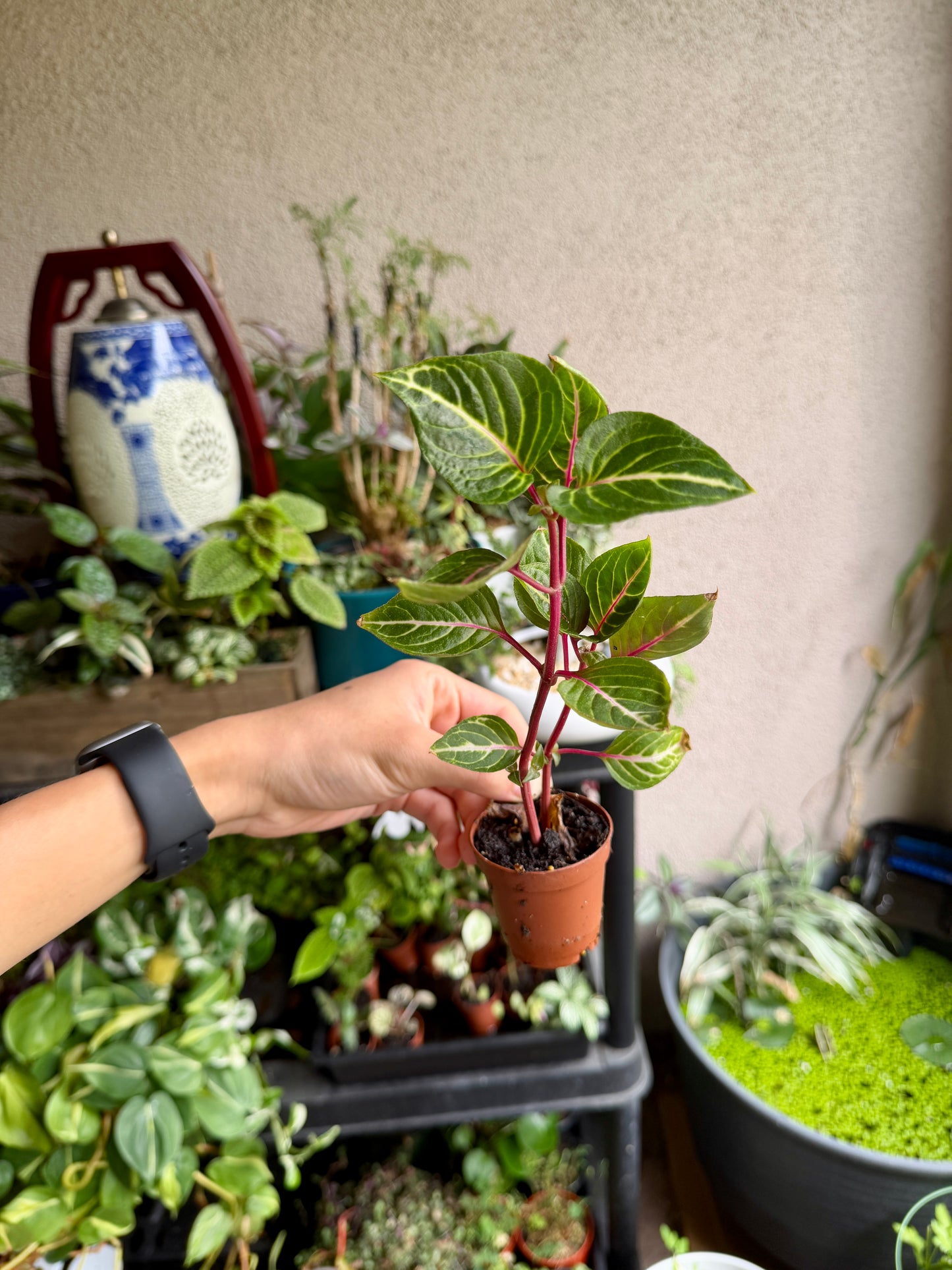
Variegated Bloodleaf (Iresine herbstii) – Live Tropical Houseplant
Variegated Bloodleaf (Iresine herbstii) – Live Tropical Houseplant
Couldn't load pickup availability
Learn how to care for Variegated Bloodleaf (Iresine herbstii). Discover the best light, watering, soil, humidity, pruning, and fertilizing tips.
Variegated Bloodleaf (Iresine herbstii) Care Guide
The Variegated Bloodleaf (Iresine herbstii) is a striking tropical foliage plant prized for its colorful blend of pink, cream, green, and burgundy leaves accented by vivid contrasting veins. Its bold variegation and fast-growing habit make it an eye-catching addition to indoor plant collections, patios, containers, and shaded garden beds. Easy to grow and rewarding to maintain, this vibrant plant brings year-round color to any space.
Plant Information
- Botanical Name: Iresine herbstii
- Common Name: Variegated Bloodleaf
- Plant Type: Tropical Foliage Plant
- Mature Height: 12–36 inches
- Mature Spread: 12–24 inches
- Growth Rate: Fast
- USDA Hardiness Zones: 10–11 (Outdoors)
Light Requirements
Variegated Bloodleaf thrives in bright, indirect light or a few hours of gentle morning sun. Bright light helps preserve its vibrant variegation and rich leaf color. Too little light may cause the foliage to become greener and less colorful.
Watering
Keep the soil consistently moist but not waterlogged. Water when the top 1 inch of soil begins to dry. Avoid allowing the soil to dry out completely, as prolonged dryness can cause leaf drop and wilting.
Soil
Use a well-draining, nutrient-rich potting mix with plenty of organic matter. Good drainage helps prevent root rot while supporting healthy growth.
Temperature & Humidity
- Ideal Temperature: 65–80°F (18–27°C)
- Avoid temperatures below 55°F (13°C).
- Prefers moderate to high humidity but adapts well to average indoor conditions.
Fertilizing
Feed every 4–6 weeks during spring and summer with a balanced liquid houseplant fertilizer diluted to half strength. Reduce fertilizing during the cooler months when growth slows.
Maintenance
- Pinch growing tips regularly to encourage a fuller, bushier plant.
- Remove yellow, damaged, or faded leaves as needed.
- Prune leggy stems to maintain a compact shape.
- Rotate the plant every few weeks for even growth and color development.
Propagation
Variegated Bloodleaf is easy to propagate using stem cuttings. Root cuttings in water or moist potting mix until a healthy root system develops.
Common Problems
- Fading variegation usually indicates insufficient light.
- Yellow leaves are often caused by overwatering or poor drainage.
- Wilting may result from underwatering or dry soil.
- Watch for spider mites, aphids, whiteflies, and mealybugs.
Pet Safety
Variegated Bloodleaf is generally considered mildly toxic if ingested. Keep out of reach of pets and small children, as consuming the plant may cause digestive discomfort.
Why You'll Love It
- Stunning variegated foliage with pink, cream, green, and burgundy tones
- Fast-growing and easy to maintain
- Excellent for containers, patios, and indoor displays
- Easy to propagate from stem cuttings
- Adds vibrant color and tropical appeal year-round
With bright indirect light, consistent moisture, and regular pruning, your Variegated Bloodleaf (Iresine herbstii) will reward you with lush, colorful foliage and vigorous growth, making it a standout addition to any indoor or outdoor plant collection.
Share